
When Do You Need a CT Scan? Symptoms You Shouldn’t Ignore
You may need a CT scan when symptoms are sudden, severe, or difficult to explain. Signs like intense headache, chest pain with breathlessness, head injury, severe abdominal pain, one-sided weakness, or unexplained bleeding often require immediate imaging because routine exams or X-rays may not show the actual problem.
CT scans help doctors quickly detect conditions such as stroke, internal bleeding, blood clots, infections, fractures, tumors, or organ damage — especially when early diagnosis can affect treatment outcomes.
The key is knowing when symptoms may indicate something serious that should not be ignored or delayed.
Understanding When Symptoms Become Serious
Not every pain or discomfort requires advanced imaging. However, there are certain warning signs that demand immediate internal evaluation because delaying diagnosis can significantly affect treatment outcomes.
Doctors usually recommend a CT scan when symptoms suggest a condition that cannot be safely ruled out through routine examination alone.
Below are the most important symptoms you should never ignore.
When Do You Need a CT Scan? Symptoms You Shouldn’t Ignore
You may need a CT scan when symptoms are sudden, severe, or difficult to explain. Signs like intense headache, chest pain with breathlessness, head injury, severe abdominal pain, one-sided weakness, or unexplained bleeding often require immediate imaging because routine exams or X-rays may not show the actual problem.
CT scans help doctors quickly detect conditions such as stroke, internal bleeding, blood clots, infections, fractures, tumors, or organ damage — especially when early diagnosis can affect treatment outcomes.
The key is knowing when symptoms may indicate something serious that should not be ignored or delayed.
Urgent Head and Brain Symptoms
Neurological symptoms can worsen within minutes, which is why doctors often recommend immediate CT imaging to rule out stroke, bleeding, swelling, or serious brain injury.
Symptoms
- Sudden severe headache unlike your usual headaches
- Head injury with vomiting or confusion
- Loss of consciousness after trauma
- Slurred speech or facial drooping
- Weakness or numbness on one side of the body
- Persistent dizziness or fainting
- Seizures without a known cause
Recommended CT Scan
- CT Brain
- CT Head
- CT Angiography (CTA)
Ideal Timing
Immediately or within the first hour, especially if stroke symptoms or head trauma are involved.
Chest Symptoms That Should Never Be Ignored
Chest-related symptoms may indicate serious conditions involving the lungs, blood vessels, or heart. A timely CT scan helps doctors detect blood clots, infections, internal injuries, or suspicious growths quickly.
Symptoms
- Chest pain with shortness of breath
- Sudden breathing difficulty
- Persistent coughing up blood
- Severe chest injury after an accident
- Chronic cough with unexplained weight loss
Recommended CT Scan
- CT Chest
- CT Pulmonary Angiography (CTPA)
When to Do It
Immediate to within a few hours, especially if breathing difficulty or chest pain appears suddenly.
Severe Abdominal Pain and Digestive Symptoms
Abdominal pain can be difficult to diagnose because multiple organs may be involved. CT imaging helps identify infections, inflammation, kidney stones, appendicitis, or internal bleeding with greater accuracy.
Symptoms
- Severe or worsening abdominal pain
- Pain moving toward the lower right abdomen
- Persistent vomiting with fever
- Blood in stool or urine
- Sudden abdominal swelling
- Intense side or lower back pain from possible kidney stones
Recommended CT Scan
- CT Abdomen
- CT Abdomen & Pelvis
Ideal Timing
Preferably the same day, especially if pain is severe, persistent, or associated with fever or vomiting.
Bone, Spine, and Trauma-Related Injuries
After accidents or major falls, CT scans provide detailed images of bones, joints, and spinal structures that may not appear clearly on standard X-rays.
Symptoms
- Severe neck or back pain after trauma
- Suspected fractures not visible on X-rays
- Pain after road accidents or falls
- Sports injuries with restricted movement
- Possible spinal cord injury symptoms
Recommended CT Scan
- CT Bone Scan
- CT Spine
- CT Cervical Spine
When to Do It
Immediately after trauma or whenever severe pain, mobility issues, or suspected fractures are present.
Cancer Detection and Treatment Monitoring
CT scans are widely used in cancer diagnosis and ongoing treatment monitoring. They help doctors evaluate tumors accurately and track how the disease responds to treatment over time.
Symptoms / Situations
- Suspicious growths or tumors
- Unexplained weight loss
- Persistent chronic cough
- Monitoring known cancer cases
- Checking whether cancer has spread
- Planning biopsies or surgeries
- Evaluating chemotherapy or radiation response
Recommended CT Scan
- CT Scan
- PET-CT Scan
- Contrast CT Scan
Ideal Timing / When to Do It
As scheduled by your doctor or oncologist for diagnosis, staging, treatment planning, or follow-up monitoring.
Quick Symptom and Timing Guide
The timing of a CT scan often depends on how severe the symptoms are. Some conditions require immediate imaging, while others may be scheduled within days.
|
Symptoms |
Recommended CT Scan |
Ideal Timing |
|
Stroke symptoms or facial drooping |
CT Head / CTA |
Immediately |
|
Head injury with vomiting or confusion |
CT Brain |
Within 1 hour |
|
Chest pain with breathlessness |
CT Chest / CTPA |
Immediate to few hours |
|
Severe abdominal pain or fever |
CT Abdomen/Pelvis |
Same day |
|
Trauma-related fractures |
CT Bone/Spine |
Immediate |
|
Chronic cough with weight loss |
CT Chest |
Within days |
|
Cancer monitoring |
PET-CT / CT |
Scheduled follow-up |
Symptoms That Require Emergency Medical Attention
Certain symptoms should never be ignored or self-medicated at home.
Go to an emergency department immediately if you experience:
- Signs of stroke
- Severe head injury
- Sudden chest pain
- Difficulty breathing
- Severe abdominal pain with fever
- Uncontrolled bleeding after trauma
These situations require urgent clinical evaluation and often immediate imaging support.
Important Safety Considerations Before a CT Scan
CT scans are highly valuable diagnostic tools, but like all medical procedures, they require proper safety protocols.
Here are a few important things you should know before your scan:
Contrast Dye Precautions
Some CT scans use contrast dye to improve image clarity. This dye helps highlight blood vessels, organs, and abnormalities more accurately.
If your scan involves contrast, you may need to:
- Fast for a few hours beforehand
- Stay hydrated after the scan
- Inform your doctor about allergies
Kidney Disease and Diabetes
Patients with kidney problems or diabetes should always inform the diagnostic team before contrast-enhanced scans. Kidney function may need evaluation before administering the dye.
Pregnancy Considerations
CT scans involve radiation exposure. Pregnant women are usually advised to undergo CT imaging only when absolutely necessary and medically justified.
The Procedure Itself
Most patients are surprised by how quick and painless a CT scan actually is.
Typically:
- You lie on a motorized table
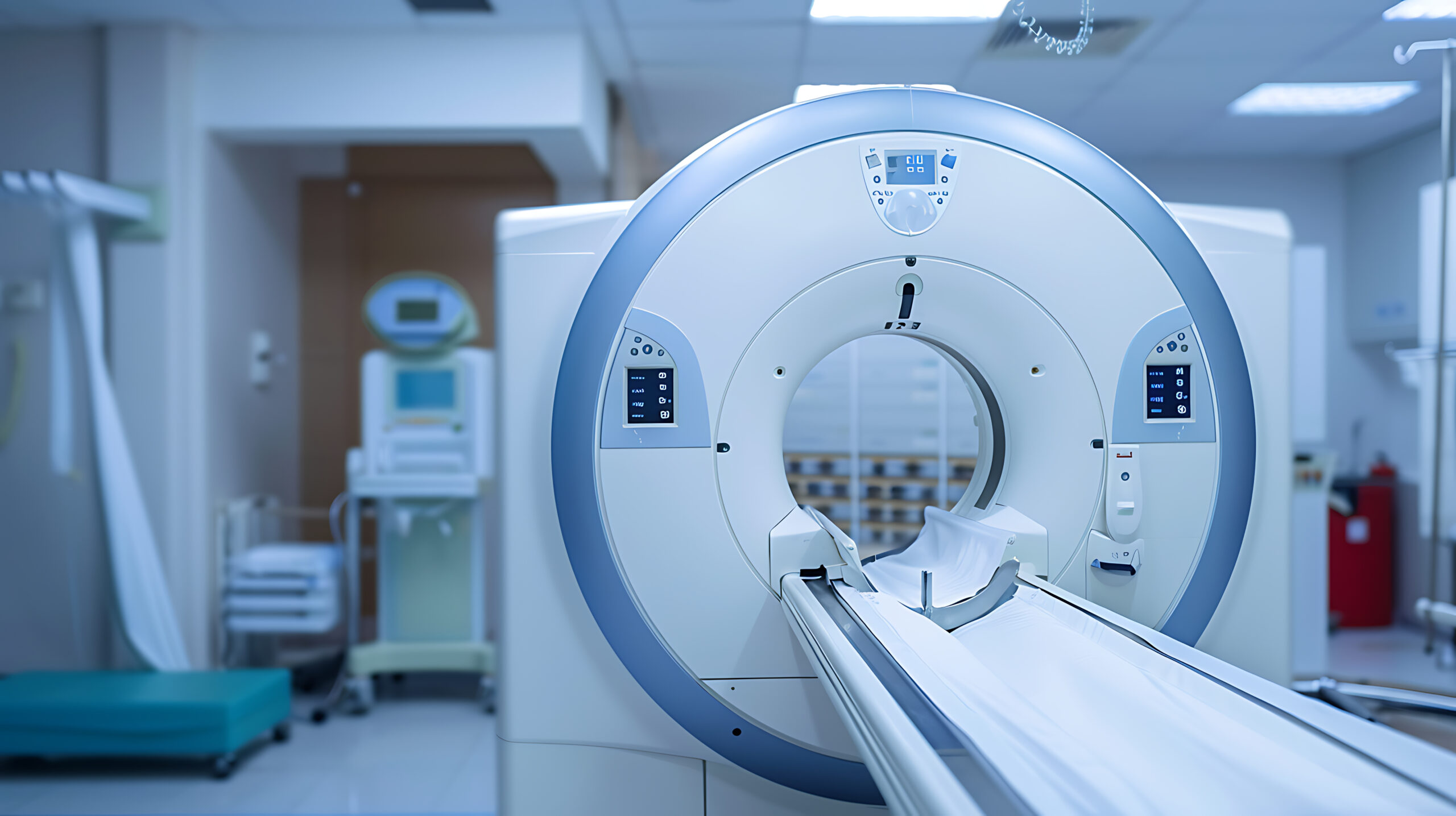
- The table moves through a ring-shaped scanner
- You may briefly hold your breath during imaging
- The scan is completed within minutes
The procedure is non-invasive and usually does not require recovery time afterward.
Why Choosing the Right CT Scan Centre Matters
A CT scan is only as reliable as the technology performing it and the radiologist interpreting it.
Even the most advanced machine cannot deliver accurate results without proper protocols, experienced radiologists, and quality-controlled reporting standards. When your diagnosis depends on imaging clarity, choosing the right diagnostic centre becomes an important healthcare decision.
This is why patients across Delhi-NCR continue to trust Orbit Imaging & Pathlab for advanced CT imaging.
Why Patients Trust Orbit Imaging & Pathlab
At Orbit Imaging, we focus on combining clinical accuracy, patient safety, affordability, and accessibility under one trusted diagnostic network.
21+ Years of Diagnostic Experience
With more than two decades of experience and over 1 Crore patients served, we have built a strong reputation for dependable radiology and pathology services across Delhi-NCR.
NABL, NABH, and QCI Accredited Standards
All scans are conducted in NABL, NABH, and QCI-accredited facilities. These certifications reflect strict adherence to quality control, imaging accuracy, hygiene standards, and patient safety protocols.
Experienced MD & MBBS Radiologists
Our scans are interpreted by qualified MD and MBBS radiologists with extensive experience in diagnostic imaging. Accurate reporting plays a major role in timely treatment decisions, especially in emergency and oncology cases.
Advanced Imaging Infrastructure
We use advanced imaging technology designed to deliver crisp, high-resolution scan images for better diagnostic precision.
Affordable CT Scan Services
We believe advanced diagnostics should remain accessible. Orbit Imaging offers highly optimized and affordable CT scan pricing across Delhi and Gurugram without compromising on quality.
Recommended by Leading Doctors
Our imaging services are trusted and recommended by clinicians and specialists across multiple medical disciplines.
Convenient CT Scan Centres Across Delhi-NCR
With 15 branches across Delhi-NCR, patients can access advanced CT scan services without traveling long distances during stressful or painful situations.
Our CT scan facilities are available in these branches:
- Gurugram
- Rohini
- Dwarka
- Dilshad Garden
- Green Park
- Paschim Vihar
This accessibility becomes especially important during emergencies, follow-up scans, or ongoing treatment monitoring.
Don’t Ignore Persistent Symptoms
Many serious medical conditions begin with symptoms that seem manageable initially. But unexplained pain, neurological changes, breathing difficulty, or persistent digestive issues should never be ignored when they continue worsening.
A timely CT scan provides doctors with the internal clarity needed to make accurate decisions quickly.
If you or a loved one have been advised to undergo a CT scan, choosing a trusted and accredited imaging centre matters just as much as getting the scan itself. At Orbit Imaging & Pathlab, we combine advanced diagnostic technology, experienced radiologists, and patient-focused care to deliver reliable answers when you need them most.
To check transparent pricing or schedule an immediate appointment at an accredited center near you, call our central helpline or book your slot online today.
Frequently Asked Questions About CT Scans
Can a CT scan detect problems that a normal X-ray cannot?
Yes. CT scans provide detailed cross-sectional images of soft tissues, blood vessels, and internal organs, which are often not clearly visible on standard X-rays.
Is fasting necessary before every CT scan?
No. Fasting is usually required only for certain contrast-enhanced scans, especially abdominal or pelvic CT scans. Your diagnostic centre will inform you beforehand.
How long does it take to get CT scan reports?
In many cases, reports are available within a few hours to 24 hours, depending on the type of scan and whether emergency reporting is required.
Can you drive or resume normal activities after a CT scan?
Most patients can continue normal activities immediately after the scan unless sedation or special medication has been used during the procedure.
Why does radiologist expertise matter in CT imaging?
Even advanced machines depend on accurate interpretation. Experienced radiologists help identify subtle abnormalities that may affect diagnosis and treatment decisions.

4.2 Stars on Google Maps (900+ Reviews)
Free Consultation for your test
Reliable and Affordable diagnostics
NABL, NABH, and QCI-accredited
Crisp Imaging & Justified Pricing
22 Years of Trust & Care
Fill the form & leave it on us!
22+
Years in Diagnostics
1 Cr+
Patients Served
450+
Tests & Scans Available
200+
Radiologists & Technicians
Orbit Imaging & Pathlab–Karol Bagh
Address: B-35, Block-11, Pusa Road, opp. Metro Pillar No 124, Old Rajinder Nagar, Delhi-110005, M: 9289289216
Why Choose Orbit Imaging!
22 Years of Trust & Care
MD & MBBS Radiologists
Lowest Rates in Delhi NCR
Recommended by Leading Doctors
1 Cr+ Patients Served
Cardiology Tests at Orbit Imaging–Karol Bagh
ECHO
ECG
CT ANGIOGRAPHY
CARDIAC MRI
Radiology Tests at Orbit Imaging–Karol Bagh
MRI
CT SCAN
ULTRASOUND
PET CT SCAN
MAMMOGRAPHY
BONE DEXA
PFT
Pathology Tests at Orbit Imaging–Karol Bagh
Neurology Tests at Orbit Imaging–Karol Bagh
Orbit Imaging & Pathlab
Best Diagnostic Lab with Affordable Rates in Karol Bagh