
Brain MRI: Symptoms That Require Immediate Attention
While not every symptom indicates a medical emergency, certain warning signs need urgent evaluation and brain imaging to identify the underlying cause quickly. If you or someone around you experiences sudden weakness, speech difficulties, loss of consciousness, or an explosive headache, seek emergency medical care immediately.
In this guide, you’ll learn which symptoms require prompt attention, when doctors recommend a Brain MRI, and how this advanced imaging test helps diagnose potentially serious brain conditions.
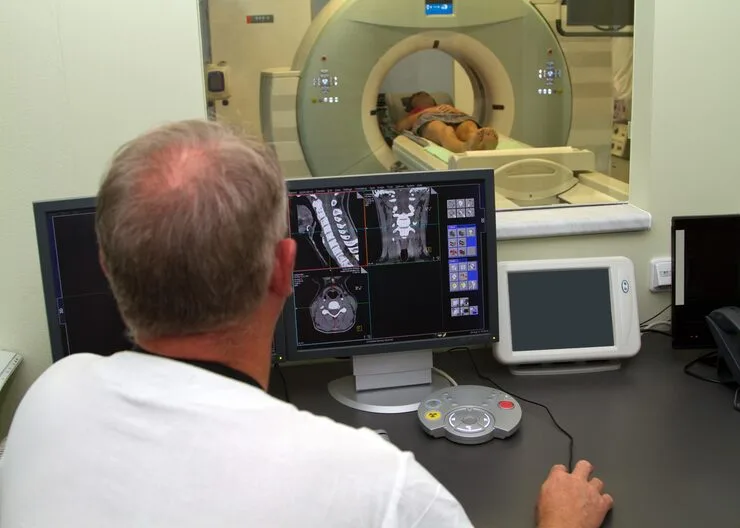
Why Doctors Recommend an Urgent Brain MRI
When you present with concerning neurological symptoms, doctors are often trying to answer critical questions:
- Is there evidence of a stroke?
- Has bleeding occurred inside the brain?
- Is there swelling or increased pressure?
- Could there be an infection affecting the brain?
- Is it a tumour or other mass pressing on brain tissue?
- Has a recent head injury caused internal damage?
The sooner these questions are answered, the sooner appropriate treatment can begin.
Symptoms That Require Immediate Medical Attention
When you present with concerning neurological symptoms, doctors are often trying to answer critical questions:
- Is there evidence of a stroke?
- Has bleeding occurred inside the brain?
- Is there swelling or increased pressure?
- Could there be an infection affecting the brain?
- Is it a tumour or other mass pressing on brain tissue?
- Has a recent head injury caused internal damage?
The sooner these questions are answered, the sooner appropriate treatment can begin.
Why Doctors Recommend an Urgent Brain MRI
1. Sudden Neurological Changes: When Every Minute Matters
One of the biggest warning signs of a neurological emergency is a sudden change in how your body functions.
Doctors often use the term “focal neurological symptoms”, but in simple terms, it means a part of your brain may not be functioning normally, affecting how you move, speak, see, or maintain balance.
Watch for these warning signs:
- Sudden weakness in your face, arm, or leg, especially on one side of the body
- A numb or “pins and needles” feeling on one side of the face, arm, or leg
- One side of your face suddenly droops or looks uneven
- Difficulty speaking clearly or finding the right words
- Trouble understanding what other people are saying
- Slurred or unclear speech
- Sudden difficulty walking or standing steadily
- Unexpected dizziness or loss of balance
- Problems with coordination, such as struggling to perform simple movements
These symptoms are commonly associated with stroke, where blood flow to part of the brain becomes interrupted.
Why is this dangerous
Brain cells begin to suffer damage within minutes when oxygen supply is reduced. This is why neurologists often say:
“Time is Brain.”
The earlier the imaging and treatment begin, the greater the chance of preserving brain function and reducing long-term disability.
2. When a Headache Is More Than Just a Headache
Most headaches are not dangerous. However, some headache patterns demand immediate medical evaluation.
The most concerning type is often called a thunderclap headache.
Warning signs include:
- Sudden severe headache reaching peak intensity within seconds or a minute
- A headache described as the “worst headache of your life”
- A completely new headache pattern, unlike anything you have experienced before
- Rapidly worsening headaches over hours or days
Such symptoms may indicate serious conditions, including bleeding around the brain, vascular abnormalities, or other neurological emergencies.
Don’t ignore associated symptoms
A severe headache becomes even more concerning when accompanied by:
- Vomiting
- Vision changes
- Weakness
- Confusion
- Loss of consciousness
These combinations often require urgent brain imaging.
3. Sudden Vision Changes Need Immediate Investigation
Your eyes and brain work closely together. In many neurological disorders, vision changes may be one of the earliest warning signs.
Seek immediate medical attention if you experience:
- Sudden loss of vision
- Partial vision loss
- Double vision
- Blurred vision accompanied by headache
- Difficulty focusing suddenly
Many people assume eye problems always originate in the eyes themselves. In reality, disturbances in the brain’s visual pathways can also cause significant vision changes.
A Brain MRI can help doctors evaluate whether the problem is linked to the brain, optic nerves, or surrounding structures.
4. First-Time Seizures Should Never Be Ignored
A seizure occurring for the first time always requires prompt medical assessment.
Even if the episode lasts only a short time and you feel relatively normal afterwards, doctors need to determine why it happened.
Symptoms that warrant urgent imaging include:
- First-ever seizure
- New seizures without a known history of epilepsy
- Seizures followed by confusion
- Prolonged weakness after a seizure
- Delayed recovery or unusual behaviour after the event
Seizures can sometimes occur due to:
- Brain infections
- Stroke
- Brain tumors
- Head injuries
- Inflammation
- Structural abnormalities
Brain MRI often plays a vital role in identifying the underlying cause.
5. Changes in Consciousness and Mental State
The brain controls awareness, memory, judgment, and behaviour. When these functions suddenly change, it should never be dismissed as simple exhaustion or stress.
Warning signs include:
- Sudden confusion
- Disorientation
- Unexplained fainting
- Loss of consciousness
- Difficulty staying awake
- Excessive drowsiness
- Marked personality changes
- Sudden behavioural changes
If family members notice dramatic changes in how you think, behave, or respond to your surroundings, urgent medical assessment is recommended.
Why this matters
Changes in mental status can indicate:
- Brain infections
- Stroke
- Bleeding
- Swelling
- Metabolic disturbances affecting the brain
Early imaging helps doctors identify potentially life-threatening conditions before they worsen.
6. Symptoms Suggesting Increased Pressure Inside the Skull
The skull is a closed space. When swelling, fluid accumulation, bleeding, or a mass develops inside it, pressure can increase.
Doctors call this increased intracranial pressure.
Common warning signs include:
- Persistent vomiting without a clear cause
- Projectile vomiting
- Morning headaches that improve later in the day
- Headaches accompanied by nausea
- Double vision
- Blurred vision
- Declining alertness
Many people are surprised to learn that recurring morning headaches combined with nausea can sometimes signal pressure changes within the brain.
A Brain MRI provides detailed information about structures that may be causing these symptoms.
7. Fever, Headache, and Neck Stiffness: A Dangerous Combination
Not every neurological emergency involves a stroke.
Infections affecting the brain and its protective coverings can become life-threatening if treatment is delayed.
Seek immediate care if you develop:
- Fever with severe headache
- Neck stiffness
- Sensitivity to light
- Confusion with fever
- Altered mental status
These symptoms may indicate conditions such as meningitis or encephalitis, both of which require urgent medical attention.
Rapid diagnosis is essential because treatment outcomes improve significantly when therapy begins early.
8. Head Injury Warning Signs You Should Never Ignore
Even when a head injury initially appears minor, symptoms can develop hours later.
This is why monitoring after a fall, accident, or sports injury is extremely important.
Red-flag symptoms include:
- Headache that becomes progressively worse
- Loss of consciousness after injury
- Blood leaking from the ears
- Fluid leaking from the nose
- Increasing sleepiness
- Persistent vomiting
- Confusion or unusual behavior
These symptoms may indicate internal bleeding, skull fractures, or brain injury requiring urgent imaging.
Brain MRI vs CT Scan: What's the Difference?
Many patients wonder why doctors sometimes order both tests.
The answer lies in the strengths of each imaging technique.
| Feature | CT Scan | Brain MRI |
| Speed | Very fast | Takes longer |
| Emergency bleeding detection | Excellent | Excellent but usually secondary |
| Soft tissue detail | Moderate | Exceptional |
| Early stroke detection | Limited | Highly sensitive |
| Brain tumors | Good | Excellent |
| Brain inflammation | Limited | Excellent |
| Detailed neurological evaluation | Moderate | Superior |
In emergency departments, doctors often start with a CT scan because it can quickly identify bleeding.
However, when a more detailed assessment is needed, a Brain MRI frequently becomes the preferred investigation because it can reveal subtle abnormalities that may otherwise remain hidden.
When Should You Seek Immediate Medical Care?
The following table summarises symptoms that should never be ignored.
| Symptom | Urgency Level |
| Sudden facial drooping | Emergency |
| One-sided weakness | Emergency |
| Severe thunderclap headache | Emergency |
| First-time seizure | Emergency |
| Loss of consciousness | Emergency |
| Sudden vision loss | Emergency |
| Fever with neck stiffness | Emergency |
| Worsening symptoms after a head injury | Emergency |
If you experience any of these symptoms, seek urgent medical attention rather than waiting for them to improve.
Why Choosing the Right Brain MRI Centre Matters
A Brain MRI is only as valuable as the quality of the imaging and interpretation behind it.
When your doctor is investigating a possible stroke, infection, tumour, inflammation, or neurological disorder, image clarity becomes critically important. Even small abnormalities can influence diagnosis and treatment decisions.
This is why choosing a trusted MRI centre is just as important as getting the scan itself.
Why We at Orbit Imaging Are Trusted for Brain MRI in Delhi and Gurugram
At Orbit Imaging, we have spent more than 21 years helping patients and doctors make informed healthcare decisions through accurate diagnostic imaging.
What makes us a preferred choice?
- 21+ years of trusted diagnostic experience
- More than 1 Crore patients served
- Reports interpreted by qualified MD & MBBS Radiologists
- Advanced imaging facilities
- Crisp and sharp scan images for accurate diagnosis
- Recommended by leading doctors across Delhi NCR
- Affordable and patient-friendly pricing
- Multiple convenient locations across Delhi NCR
With 15 advanced diagnostic centres across Delhi NCR, accessing a Brain MRI is convenient and hassle-free. Our centres are located in Karol Bagh, Rohini, Green Park, Dwarka, Paschim Vihar, Dilshad Garden, and Gurugram.
Our goal is simple: to provide accurate, high-quality brain imaging that helps your doctor reach the right diagnosis without unnecessary delays.
Whether you are being evaluated for stroke symptoms, persistent headaches, seizures, neurological changes, or post-traumatic complications, we are committed to delivering the diagnostic clarity you need.
Final Thoughts
If your doctor recommends a Brain MRI, choosing a trusted imaging centre is essential. At Orbit Imaging, we combine advanced technology, experienced MD & MBBS Radiologists, and over 21 years of expertise to provide accurate Brain MRI services across Delhi and Gurugram.
Frequently Asked Questions
Can a Brain MRI detect problems before symptoms become severe?
Yes. In some cases, a Brain MRI can identify early changes in brain tissue, blood vessels, or inflammation before symptoms become more noticeable or disabling.
Do I need any special preparation before a Brain MRI?
Most Brain MRI scans require minimal preparation. However, you should inform the imaging team about any implants, pacemakers, metal devices, or previous surgeries beforehand.
Is a Brain MRI safe for repeated use?
Yes. Unlike CT scans, MRI uses magnetic fields and radio waves rather than ionising radiation, making it suitable when follow-up imaging is required.
What happens if I move during the scan?
Small movements can affect image quality and may require certain images to be repeated. Remaining as still as possible helps ensure accurate results.
How quickly are Brain MRI results usually available?
The timeline varies depending on the centre and the urgency of the case. In emergencies, doctors often prioritise reporting to support timely treatment decisions.

Free Consultation for your test
Reliable and Affordable diagnostics
NABL, NABH, and QCI-accredited
Crisp Imaging & Justified Pricing
22 Years of Trust & Care
Fill the form & leave it on us!
22+
Years in Diagnostics
1 Cr+
Patients Served
450+
Tests & Scans Available
200+
Radiologists & Technicians